Key Takeaways
- Live oak remains one of the most recognizable trees in Vero Beach because of its size, shade, and long lifespan.
- Sabal palms fit coastal landscapes well, but they still need proper care to stay healthy.
- Slash pines can add height and natural character, though they may be vulnerable to lightning and decay.
- Laurel oaks are common shade trees, but older specimens can develop structural concerns.
- Gumbo limbo is a strong coastal species that handles wind and salt better than many other trees.
Vero Beach, Indian River County, Florida has a tree canopy shaped by salt air, sandy soil, heat, and seasonal storms. That mix influences which species thrive in the area and which ones become part of the everyday landscape on residential, commercial, and coastal properties.
CommonTrees in Vero Beach, Florida
For property owners, knowing what trees are most common is useful for more than identification. Each species grows differently, responds differently to weather, and brings different maintenance needs. Understanding those differences can help you make better decisions about planting, pruning, and long-term tree care.
Live Oak
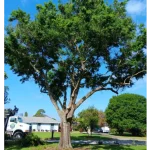
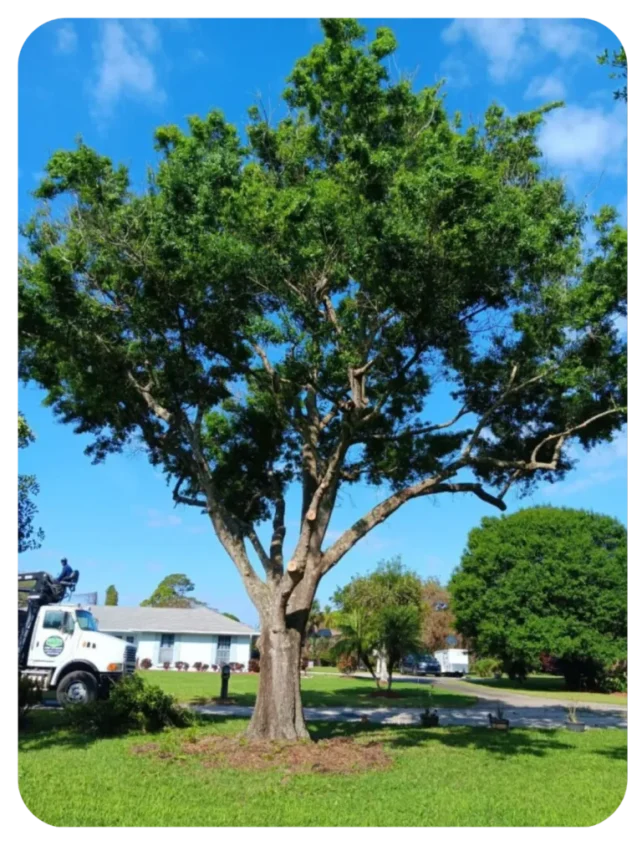
Live oak is one of the signature trees of Vero Beach. Its broad shape creates deep shade, and mature trees often become major features in older neighborhoods and larger yards. Because it can live for many decades, it is often treated as a long-term part of the landscape rather than a short-term planting.
Property owners should pay attention to how the tree develops over time. Competing stems, heavy limbs, and poor branch spacing can lead to structural issues later in life, especially if the tree was never shaped properly when young.
Sabal Palm
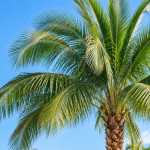
Sabal palm is one of the most familiar trees in coastal Florida and appears throughout Vero Beach. Its upright growth and wind tolerance make it a practical choice for streets, medians, and home landscapes. It also works well in areas where a broad hardwood would take up too much space.
The main concern with sabal palm is poor trimming. Over-pruning can weaken the palm and leave it vulnerable to stress, so maintenance should focus on dead or damaged fronds rather than healthy growth.
Slash Pine
Slash pine is commonly found on larger properties and in more natural parts of the Vero Beach area. It grows quickly and adds a tall, open structure that reflects Florida’s native pine landscape. In the right setting, it can contribute a strong sense of place and natural character. Because slash pine grows tall, it can be exposed to lightning, strong wind, and hidden internal problems. A tree may appear healthy from a distance while still carrying decay or other weaknesses inside the trunk.
Laurel Oak
Laurel oak is widely used in Florida landscapes because it provides shade relatively quickly. It shows up in yards, along streets, and in older residential areas where owners want canopy cover sooner rather than later. Its growth rate makes it appealing, especially in spaces that need quick visual impact.
The drawback is that laurel oaks often do not age as gracefully as slower-growing species. As they mature, internal decay and structural decline can become a concern, especially when the tree is near a home, driveway, or other high-use area.
Mahogany
Mahogany trees bring a refined look to Vero Beach landscapes. They are valued for their form, moderate size, and ability to add shade without becoming overwhelmingly large. Many property owners like them because they fit well in designed yards and neighborhood plantings. This tree generally performs best with balanced care. Light, thoughtful pruning and good air movement through the canopy help support strong growth and reduce stress over time.
Gumbo Limbo
Gumbo limbo is one of the most distinctive native trees found in coastal Florida. Its peeling bark and open canopy make it easy to identify, and it handles heat, salt, and wind better than many other species. That makes it a strong choice for properties closer to the coast. It is usually better to prune gumbo limbo lightly than aggressively. Heavy cuts can cause unnecessary stress, while selective trimming can help the tree keep its natural form and healthy structure.
Brazilian Pepper
Brazilian pepper is an invasive plant that causes long-term problems for Florida landscapes. It spreads quickly, takes over open spaces, and crowds out native vegetation. In Vero Beach, it is often found in disturbed areas, along property edges, and in spots that are not regularly maintained.
For most property owners, the goal should be removal rather than preservation. Taking it out improves the health of surrounding plants and reduces the chance of it spreading farther across the property.
Buttonwood
Buttonwood is a useful coastal species that handles salt exposure, sandy soil, and occasional flooding better than many other trees. It is often found near shorelines, lagoon-side properties, and other exposed locations where tougher species are needed. Its growth habit also makes it useful in smaller landscape areas. This tree usually does best with limited pruning and room to grow naturally. Heavy trimming can create stress, while light maintenance helps keep it attractive and functional.
Why Tree Identification Matters
Knowing which trees are growing on your Vero Beach property helps you plan for their future. A live oak, for example, will need different care than a buttonwood or sabal palm. The same is true when deciding whether a tree should be trimmed, monitored, or removed. Species also matter when storms approach. Some trees handle wind better than others, and some are more likely to fail if they are stressed, crowded, or aging. A better understanding of the trees on your property can make your landscape safer and easier to manage.
Treasure Coast Tree & Land Services helps Vero Beach homeowners and businesses keep their trees healthy, safe, and beautiful. Our ISA-Certified Arborists provide expert tree care designed for Florida’s coastal environment. We offer a wide range of tree services such as – tree removal, tree trimming & pruning, land & lot clearing, hurricane preparation & tree safety, sod installation & lawn restoration, to name a few. Our team understands how salt air, sandy soil, strong winds, and seasonal storms affect trees across the Treasure Coast.
Whether your property has a mature live oak, palm, pine, or another local species, we create practical solutions that protect your landscape and support long-term tree health. Treasure Coast Tree & Land Services proudly serves Vero Beach, Sebastian, Fort Pierce, and nearby communities with safe, reliable, and professional tree care. For more information about how our team can assist you, call now at (772) 404-4414 to Book Your Free Estimate !!
Frequently Asked Questions About Trees in Vero Beach, Florida
What trees handle Vero Beach’s coastal weather the best?
Trees like gumbo limbo, buttonwood, sabal palm, and live oak perform well in Vero Beach because they tolerate heat, salt exposure, and strong coastal winds. However, every tree still needs proper care to stay healthy and structurally sound.
How do I prepare my Vero Beach trees for hurricane season?
Homeowners can prepare trees by scheduling professional pruning, removing dead or weak branches, and checking for signs of decay before storms arrive. Treasure Coast Tree & Land Services helps property owners improve tree safety before severe weather hits.
When should I trim trees in Vero Beach, FL?
The best time to trim depends on the tree species and its condition. Many trees benefit from regular maintenance throughout the year, especially before hurricane season when weak limbs can become a safety risk.
How can I tell if a tree on my Vero Beach property needs removal?
Signs include leaning, large dead branches, visible decay, root damage, or cracks in the trunk. A professional tree assessment can help determine whether trimming can solve the issue or if removal is the safer option.
Do Florida coastal trees need special maintenance compared to other areas?
Yes. Trees in Vero Beach face unique challenges from salt air, sandy soil, intense heat, and tropical storms. Regular inspections, proper pruning, and storm preparation help protect trees and the surrounding property.
Are sabal palms good for coastal properties?
Yes. They handle wind well and are well suited to Florida’s coastal climate.
Do laurel oaks need extra attention as they get older?
Yes. Older laurel oaks can develop structural issues and should be monitored regularly.
Is Brazilian pepper a good choice for landscaping in Vero Beach, Florida?
No. It is invasive and usually should be removed.
What tree is best for salty, coastal areas?
Buttonwood is one of the better options because it tolerates salt and poor soil conditions.
Summary Checklist: Common Vero Beach Trees with their Benefits & Concerns
| Tree | Main Benefit | Main Concern |
| Live Oak | Long life and wide shade | Structural limb issues |
| Sabal Palm | Strong wind tolerance | Over-trimming |
| Slash Pine | Native look and height | Lightning and internal decay |
| Laurel Oak | Fast shade | Age-related decline |
| Mahogany | Attractive form | Needs balanced care |
| Gumbo Limbo | Coastal resilience | Poor response to heavy cuts |
| Brazilian Pepper | Fast spreading growth | Invasive behavior |
| Buttonwood | Salt tolerance | Stress from heavy pruning |
Final Advice
The most common trees in Vero Beach, FL reflect the area’s coastal climate, sandy soil, warm temperatures, and seasonal storms. Understanding the trees on your property helps you make better decisions about planting, pruning, maintenance, and safety.
- Regular tree inspections can help identify weak branches, disease, decay, or storm damage before these issues become major problems.
- Proper pruning improves tree structure and helps many species handle Florida’s strong winds, while avoiding over-trimming protects palms and other coastal trees from unnecessary stress.
- Homeowners should also remove invasive species like Brazilian pepper to protect native vegetation and maintain a healthier landscape.
- Preparing trees before hurricane season with professional trimming and safety checks can reduce risks to your home and property.
Reviewed by Certified Arborist
This article has been reviewed by an ISA-certified arborist to ensure the information is accurate, practical, and consistent with sound tree care guidance.