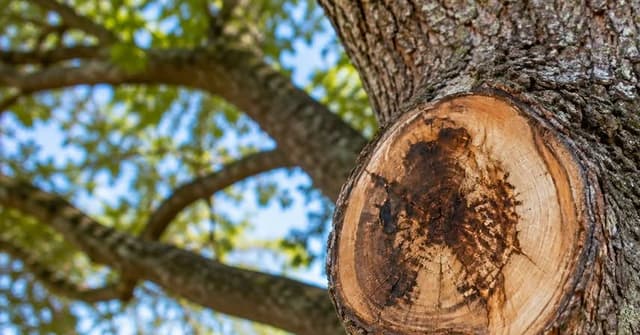
Improper tree cuts can damage protective tissues, expose more wood than necessary, and make it harder for a tree to contain decay. Florida’s warm, humid, and frequently wet conditions may support fungal activity around damaged wood, but humidity alone does not make every pruning wound decay.
The outcome depends on the tree species, its overall health, the size and location of the cut, existing stress, and the tree’s natural defensive response. A small misplaced cut on a vigorous tree may have a different outcome from a large flush cut on a declining tree.
Property owners in Vero Beach and surrounding Indian River County communities should pay attention to old pruning wounds, especially after heavy rain or strong winds. Changes around a cut may indicate that the tree needs professional evaluation rather than another round of unplanned cutting.
At Treasure Coast Tree & Land Services, we evaluate the entire tree before recommending corrective pruning, monitoring, or removal. Our goal is to identify what the tree can still manage and what work may improve its condition or structure.
How Does a Tree Respond to a Pruning Wound?
A tree responds to a pruning wound by compartmentalizing the injured wood and producing new tissue around its edges. It does not replace the damaged tissue or heal the cut in the same way human skin heals.
The original cut surface remains part of the tree. The tree forms internal boundaries that may limit the movement of decay and other damage into surrounding wood. New woundwood can gradually develop around the outside of a properly placed cut.
Compartmentalization is a defense process, not a guarantee. Some trees isolate damaged areas more effectively than others, and a healthy tree generally has more resources available for defense than a severely stressed tree.
Wound size also matters. A small, properly placed cut leaves less exposed wood for the tree to manage. A large wound takes longer to close around the edges and remains exposed to environmental conditions for a longer period.
The tree’s age, species, vigor, canopy condition, root health, and previous injuries all influence the response. Two trees with similar-looking pruning cuts may develop very different internal conditions.
Why Can Florida’s Humidity Increase Decay Risk?
Warm temperatures, high humidity, and frequent rainfall can create favorable conditions for many fungi and other organisms. These conditions may increase biological activity after improper pruning exposes vulnerable wood or damages the tree’s protective tissues.
Humidity does not directly cause every pruning wound to decay. Decay develops through an interaction among susceptible wood, organisms capable of colonizing it, moisture, temperature, and the tree’s ability to compartmentalize damage.
Along the Treasure Coast, pruning wounds may experience repeated wetting from rainfall and moisture in the air. A poorly placed cut, torn area, or dead stub can remain exposed while the tree tries to isolate the affected wood.
Florida’s extended growing conditions can help healthy trees produce new tissue, but they also allow many biological processes to remain active for long periods. Tree health and proper cut placement remain important because climate alone does not determine the outcome.
Storm conditions add another concern. Wind can load branches unevenly, especially when a canopy has been topped or poorly thinned. Our hurricane preparation and tree safety service focuses on identifying structural concerns before severe weather places additional force on them.
How Do Flush Cuts Damage a Tree?
A flush cut damages a tree by removing a branch too close to the trunk and cutting through the branch collar. This creates a larger wound and removes tissue involved in the tree’s defensive response.
The branch collar is the slightly swollen area where a branch joins a larger limb or trunk. The branch bark ridge is the raised line of bark that often forms along the upper side of the union. These features help professionals identify the appropriate cutting boundary.
A flush cut may look smooth because no visible stub remains. That appearance can be misleading. Cutting into the trunk creates more exposed wood than necessary and may interfere with even woundwood development.
Over time, a flush-cut area may show discoloration, incomplete closure, cracking, a cavity, or internal decay. The damage may remain hidden after new tissue begins growing around the edges.
A cut can therefore appear to be closing while deterioration continues inside. Proper tree trimming and pruning considers the branch collar, branch structure, tree condition, and purpose of each cut.
Why Are Long Branch Stubs a Problem?
A long branch stub can die back before the tree effectively closes around the pruning wound. The remaining stub may crack, retain moisture, and become colonized by decay organisms.
A branch needs living tissue and foliage to remain functional. When a branch is shortened improperly and leaves an unsupported stub, part or all of that wood may die.
Rain and humidity can repeatedly wet the dead surface. Small cracks may develop as the wood dries and becomes exposed again. Deterioration can then progress through the stub toward the supporting branch or trunk.
The presence of a stub does not prove that internal decay has reached the trunk. Its condition, length, location, and connection to living tissue must be evaluated together.
Cutting the stub again is not always a simple correction. If the branch collar was already damaged or decay has progressed, another cut may remove additional healthy tissue without restoring what was lost.
What Happens When a Heavy Branch Tears the Bark?
A heavy branch can strip bark and living tissue from the trunk if its weight is not controlled during removal. The resulting tear may be much larger than the intended pruning wound.
Bark tearing commonly extends below the branch attachment. This exposes additional wood to moisture and damages tissues beyond the planned cut. The tree then has a larger and less uniform area to compartmentalize.
A long tear can also affect the structural connection of nearby branches. Damage near a major union may change how loads move through the trunk, particularly during strong coastal winds.
Large, elevated, or heavily loaded branches should not be treated as routine homeowner pruning. Their weight and movement can create serious risks for the person cutting, nearby structures, and the remaining tree.
Our team evaluates the branch position, surrounding property, and condition of the attachment before work begins. If a damaged tree becomes unstable after a storm, our emergency tree service may be appropriate.
Can Topping and Over-Pruning Increase Decay Risk?
Topping and excessive canopy removal can leave large wounds, dead stubs, and a tree with fewer resources for defense. They can also stimulate fast-growing shoots that may develop weaker attachments.
Topping removes branches without following the tree’s natural structure. The remaining cuts are often large and placed between suitable branch unions, leaving exposed stubs that may die back.
New sprouts may appear quickly near topping cuts. Rapid growth can create the impression that the tree has recovered, but those shoots do not recreate the original branch structure. As they become larger, their attachment and surrounding decayed wood may become structural concerns.
Over-pruning creates a different form of stress. Removing too much living canopy reduces the leaf area the tree uses to produce energy. The tree still needs energy to support roots, maintain living tissues, and compartmentalize pruning wounds.
Sudden canopy loss can also expose previously shaded bark to intense sunlight. Poorly distributed pruning may shift wind loading toward remaining branches instead of creating a balanced structure.
Pruning should address a defined objective while retaining enough healthy canopy. Our guide to the best time to trim trees in Florida provides seasonal information without replacing an onsite evaluation.
Why Do Large Pruning Wounds Require More Time to Close?
Large wounds require more time to close because woundwood develops from the living tissue around the wound’s perimeter. The wider the exposed area, the farther that new tissue must grow before it surrounds the surface.
A large cut also exposes more wood to weather and organisms. If the branch collar or trunk tissue was damaged, the tree may form woundwood unevenly or leave part of the cut exposed.
Closure at the surface does not mean the original wood has returned to its previous condition. Internal discoloration or decay may remain behind the new tissue. A tree can continue growing while carrying an old compartmentalized injury inside the trunk.
Large wounds near the main trunk deserve particular attention because they affect a structurally important area. Their significance depends on the remaining sound wood, wound position, tree condition, and nearby property.
Tree removal is not the automatic response to a large pruning wound. However, professional tree removal services may be considered if decay or structural damage has progressed beyond what pruning can manage reliably.
Are Palms Affected in the Same Way as Woody Trees?
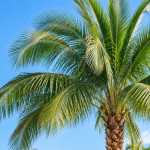
Palms respond differently from woody trees and should not be evaluated using the same wound-closure model. They do not produce new layers of wood around injuries in the same way broadleaf and coniferous trees do.
A palm has a different internal structure and a single primary growing point. Damage to its trunk remains permanent, so climbing injuries, cuts, and other wounds should be avoided.
Palm pruning should focus on an appropriate amount of dead or declining material without applying hardwood pruning rules directly. Excessive frond removal can reduce the palm’s ability to produce energy and may create additional stress.
Because palm biology differs by species and condition, our team evaluates palms separately from woody shade trees. This article’s explanations of branch collars and woundwood apply primarily to woody trees.
What Are the Signs of Possible Decay Around an Old Cut?
Possible decay around an old pruning cut may appear as deteriorated wood, cavities, fungal growth, cracking, or changes in the surrounding canopy. One symptom cannot show how far internal deterioration has spread.
Watch for:
- A wound that is not developing new tissue around its edges
- Soft, crumbly, or unusually discolored wood
- A cavity forming behind an old cut
- Cracks extending from the pruning wound
- Loose, missing, or separating bark
- Mushrooms, conks, or other fungal structures near the wound
- Increased insect activity around deteriorated wood
- Clusters of sprouts around an old topping cut
- Canopy dieback beyond the injured area
- Movement or cracking near a previous branch removal
Cavities can develop at sites of past injuries or pruning cuts, but their structural importance is difficult to determine visually. UF/IFAS tree risk guidance explains that an arborist may need to consider a cavity’s age, location, and condition when evaluating internal decay.
Do not drill, strike, climb, or cut into the tree to investigate. Home testing may enlarge the injury or place you beneath structurally compromised wood.
For a broader discussion of decay indicators throughout a tree, review our guide on how to spot a dangerous rotten tree before a Florida storm.
Can a Tree Recover From an Improper Pruning Cut?
Some trees can continue growing after an improper pruning cut, but the missing tissue cannot be restored. The tree’s response depends on factors such as the size and location of the wound, species, overall condition, and ability to compartmentalize injured tissue. The USDA Forest Service explains that tree compartmentalization after pruning wounds is part of the tree’s natural defense response to injury.
Important factors include:
- The size and location of the wound
- The tree species
- The tree’s age and overall condition
- Existing disease, decay, or root stress
- The amount of live canopy remaining
- Damage to the trunk or branch collar
- Repeated exposure to moisture
- The structural importance of the affected branch
- Visible signs of internal deterioration
Corrective pruning may improve structure or remove a dead stub in some situations. However, it cannot rebuild a removed branch collar or reverse internal damage that has already developed. Proper pruning practices protect the branch collar and avoid unnecessary injury to the trunk. The USDA Forest Service guide to proper pruning cuts explains why cuts should remove branch tissue without damaging stem tissue.
Additional pruning may not be necessary when the tree is stable and the wound is showing normal woundwood formation. Further cutting should be based on the condition and structure of the tree, not simply on the appearance of an old pruning wound. The University of Minnesota Extension’s tree pruning guidance also recommends preserving the branch collar because an intact collar helps the wound seal more effectively.
A severely damaged tree may require removal if it cannot be managed at an acceptable level around people or property. That decision should be based on the condition and structure of the entire tree rather than the appearance of one old pruning cut.
When Should a Damaged Pruning Wound Be Evaluated?
A damaged pruning wound should be evaluated when it is large, changing, structurally important, or located near an occupied area. Prompt assessment is also appropriate when cracking or movement appears after a storm.
Request professional attention if you notice:
- A large flush cut directly against the trunk
- Bark torn below a branch-removal wound
- A cavity developing behind an old cut
- Fungal growth near a pruning wound
- Extensive topping damage
- Large sprouts growing from previous cuts
- Removal of a major limb close to the trunk
- Unexplained canopy dieback
- Cracks or movement after strong winds
- A damaged tree near a home, pool enclosure, driveway, sidewalk, or other occupied area
Improper pruning can create conditions that contribute to discoloration, decay, and other internal defects. USDA Forest Service research describes how trees respond to wounds by establishing boundaries that can limit the spread of decay and infection.
The purpose of an evaluation is to determine what the visible symptoms mean for that particular tree. Depending on the findings, the recommendation may involve monitoring, corrective pruning, risk reduction, or tree removal.when the structure cannot be managed reliably.
Property owners in Vero Beach, Indian River County, and nearby communities can confirm coverage through our Treasure Coast service areas. Additional tree-care information is available through our tree-care resources.
Request an Evaluation for Improper Pruning Damage
Large flush cuts, torn bark, topping damage, cavities, fungal growth, and changing wound areas deserve a closer look. An onsite evaluation can help determine if the tree is compartmentalizing the damage or showing signs that require corrective work.
Our team provides professional Vero Beach tree trimming and pruning for properties throughout the Treasure Coast. We evaluate the tree before recommending additional cuts because pruning again cannot replace tissue that was already removed.
Call Treasure Coast Tree & Land Services at (772) 404-3414 or request a tree evaluation. We will assess the damaged area, explain the practical options, and recommend the next step based on the tree’s condition and location.