Key Takeaways
- A fallen tree can create electrical, structural, and personal safety risks right away.
- The first priority is always people: injuries, fire risk, and downed lines come before cleanup.
- Do not try to cut or move a tree yourself if it is resting on a home, vehicle, or utility line.
- Good photos and videos help support your insurance claim.
- Professional emergency removal is the safest way to reduce extra damage and avoid injury.
- After the emergency, stump grinding and a full tree assessment can help prevent future problems.
When a tree falls on your property, the situation can feel overwhelming fast. In Vero Beach, storms, strong winds, and soaked ground can bring down trees with very little warning, especially during hurricane season and heavy rain events.
What you do in the first few minutes matters. A calm, step-by-step response can help keep everyone safe, limit extra damage, and make the cleanup and insurance process much smoother.
Step 1: Stay Inside First
Do not rush outside the moment you hear the impact.
- If the storm is still active, stay indoors until conditions are clearly safer. Another limb or even another tree can fall nearby, and wet ground, wind, and poor visibility can make the area dangerous.
- Look out a window before opening doors or stepping outside.
- Check whether the tree is resting on the roof, blocking a doorway, leaning on a wall, or sitting near utility lines. If the tree is still shifting, do not approach it.
Step 2: Check for Injuries
Your first concern should always be people. Make sure everyone in the home or on the property is accounted for and not hurt. If anyone is injured, call emergency services right away.
- If the tree has caused major structural damage or a roof has partially collapsed, leave the area and wait for emergency responders.
- Do not stay inside a part of the building that may be unstable.
Step 3: Watch for Power Hazards
If you see a downed power line, treat it as live.
- Do not touch the line, the tree touching it, or any metal fence, branch, or object near it. Keep children, pets, and neighbors away from the area.
- Call the utility company immediately and wait for confirmation that the line is safe. A tree crew should never start removal work until the electrical hazard has been cleared.
Step 4: Take Photos Before Cleanup
Before anything is moved, document the damage as clearly as possible.
- Use your phone to take wide photos and close-up shots from several angles.
- Capture the tree, the structure, the ground around it, and anything else that was damaged.
- If the tree entered a roof, wall, or vehicle, take pictures from inside and outside if it is safe to do so. The records can help with insurance and can also show the tree service what kind of equipment may be needed.
Step 5: Call Your Insurance Company
After the scene is documented, contact your homeowners insurance provider and open a claim.
- Have your policy number ready and explain what happened in simple terms.
- Ask whether your plan covers tree removal, structural repairs, and debris cleanup.
- Some policies cover a tree only if it hits a covered structure. Coverage can vary, so it is important to ask direct questions and keep notes from the call.
Step 6: Call a Tree Service Company
- A fallen tree on a roof, fence, driveway, or vehicle is not a simple cleanup job. Wood can be under extreme tension, and cutting in the wrong place can cause the tree to move suddenly or break more of the structure.
- A professional emergency fallen tree removal firm in Vero Beach, Florida knows how to secure the scene, choose the right cutting sequence, and remove the tree in controlled sections. That approach protects your home and greatly reduces the chance of injury.
Step 7: Reduce More Damage While You Wait
- If the tree has opened part of your roof and rain may get inside, use a tarp only if it can be done safely from the ground or with proper help.
- Never climb onto a damaged roof just to cover a hole.
- Keep people away from the hazard zone, and move vehicles if they are still safely drivable and not trapped under debris.
- If your power is out, use generators outside and far from windows and vents.
Step 8: Let the Crew Remove It Safely
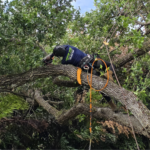
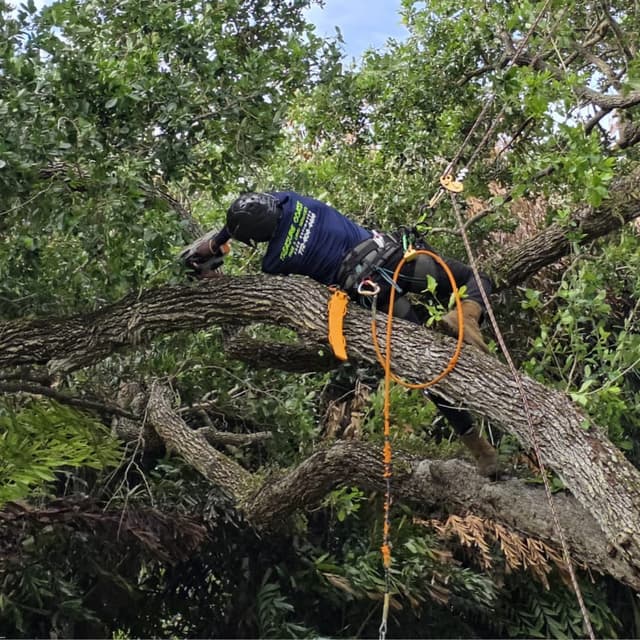
- When Treasure Coast Tree & Land Services arrives, the first step is to assess the hazard. Our ISA-Certified Arborists look at the point of contact, the tree’s weight, the surrounding structure, and any utility concerns before any cutting begins.
- Depending on the situation, removal may involve sectional dismantling, rope rigging, or other controlled methods. The goal is to take the tree apart safely without causing more damage than the storm already did.
Step 9: Handle the Cleanup Afterward
- Once the tree is removed, the remaining stump and root area should be evaluated. Stump grinding can help reclaim the space, reduce pest issues, and make the property safer and cleaner.
- A full tree assessment is also a smart next step. The tree that fell may not be the only one at risk.
Trees that were weakened by wind, poor roots, or disease should be checked before the next storm season.
Common Mistakes to Avoid
- Trying to cut the tree yourself
DIY tree cutting can be extremely dangerous due to unpredictable weight, tension, and falling limbs.
- Standing under a partially fallen trunk
A partially fallen tree can shift or collapse suddenly, posing a serious risk of injury or death.
- Touching anything near a downed power line
Downed power lines may still be alive, and even nearby objects can conduct electricity.
- Waiting too long to call for help
Delaying professional assistance can worsen property damage and increase safety hazards.
- Moving the debris before taking photos
Removing debris too soon can affect insurance claims and make damage assessment difficult.
- Ignoring nearby trees that may also be damaged
Adjacent trees may be weakened and unstable, posing future fall risks if not inspected.
Emergency Tree Checklist
Step What to Do
- Stay inside until the area is safe
- Check for injuries and call 911 if needed
- Report any power line danger immediately
- Take photos and video before cleanup starts
- Call your insurance company
- Contact a professional tree service
- Keep everyone away from the hazard zone
- Schedule stump grinding and a tree inspection after removal
Frequently Asked Questions About Emergency Fallen Tree Removal in Vero Beach, Florida
What should I do first when a tree falls on my property in Vero Beach, Florida?
Make sure everyone is safe, check for injuries, and stay away from any power line hazard.
Can I remove a tree from my roof myself?
No. That can be extremely dangerous and may cause more structural damage.
Should I call insurance before or after the tree service in Vero Beach, Florida?
Document the damage first, then call insurance, then contact a tree service for removal.
How do I know if the power line is live?
Assume every downed line is live until the utility company confirms otherwise.
Will the tree service remove the debris too?
Yes. Emergency tree removal usually includes cleanup and hauling away debris.
Do I need stump grinding after emergency removal?
It is a good idea. Grinding helps clear the area and makes the property easier to restore.
Summary Checklist: Emergency Fallen Tree Removal Checklist
| Step | Action | Why It Matters |
| 1 | Stay indoors until conditions are safe | Prevents injury from unstable trees, wind, or falling limbs |
| 2 | Check for injuries and call 911 if needed | Human safety is always the first priority in any emergency |
| 3 | Identify and avoid power line hazards | Downed lines can remain live and cause fatal electrocution |
| 4 | Document all damage with photos/videos | Supports insurance claims and professional assessment |
| 5 | Contact your insurance provider | Helps you understand coverage and start the claim process early |
| 6 | Call a professional emergency tree service | Ensures safe, controlled removal without further property damage |
| 7 | Keep all people, pets, and vehicles away | Reduces risk of secondary accidents or structural collapse |
| 8 | Take temporary protection measures if safe | Limits water intrusion or further damage before help arrives |
| 9 | Allow experts to assess before any cutting | Prevents accidental shifting, breakage, or worsening damage |
| 10 | Plan stump grinding and full tree inspection | Restores safety and identifies other weakened trees nearby |
Final Advice
A fallen tree emergency in Vero Beach requires calm, safety-first action. Always prioritize people over property and avoid entering risky areas until the scene is stable. Do not attempt any cutting or removal yourself, as hidden tension in the tree can cause sudden movement or injury. Treat all downed power lines as live and stay well clear until utility crews confirm safety.
Reviewed by Certified Arborist
This article has been reviewed by a certified arborist to help ensure the guidance is practical, safe, and consistent with standard tree care practices.